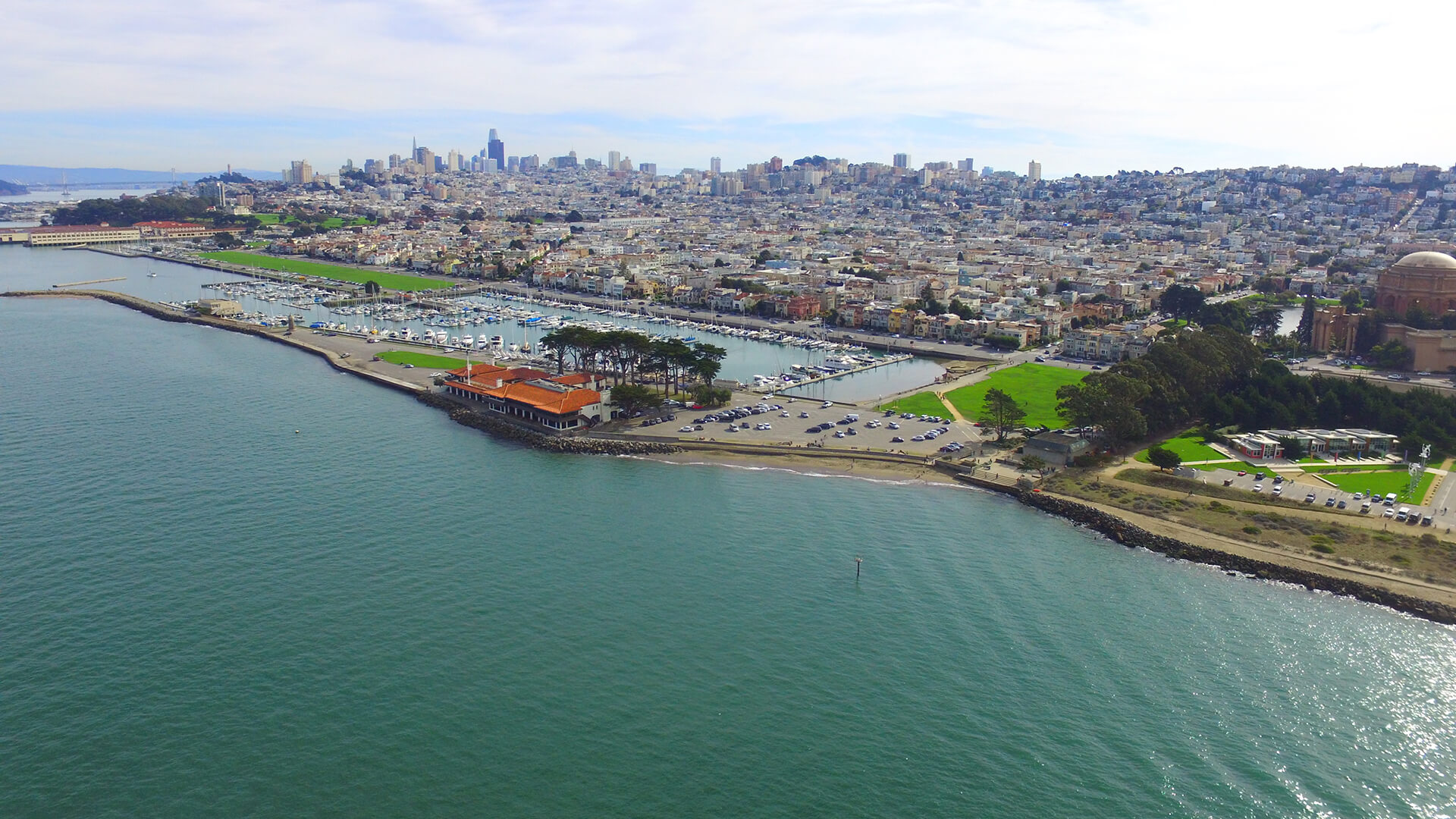
Top Ranked SF Realtor Leaders with Billions in Sales.
Our Team
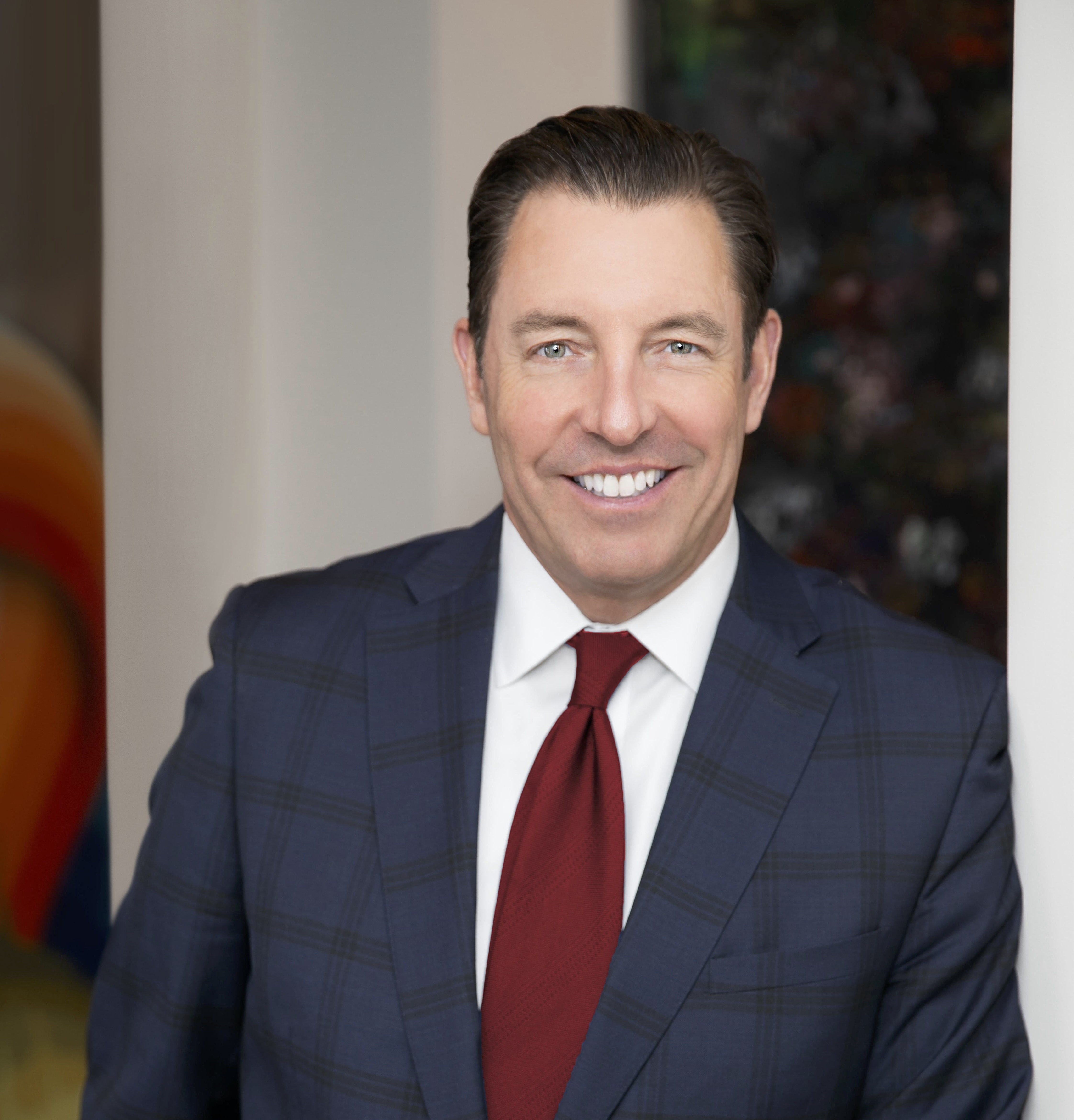
Ted Bartlett
Real Estate Agent · DRE #01153827
Driven, optimistic, creative and connected San Francisco native with thirty-one years experience in real estate sales, development, construction and property management.
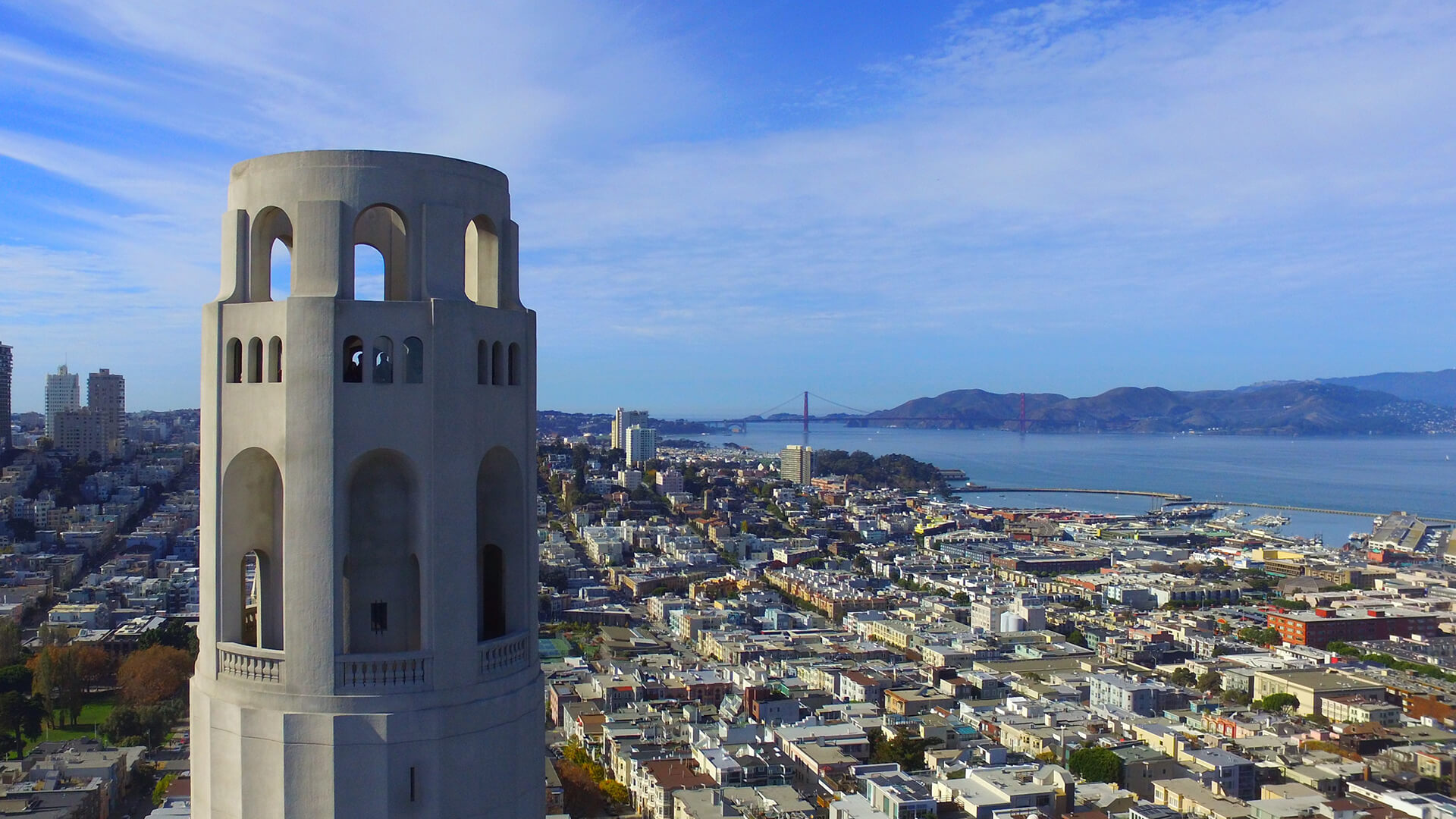
Bartlett Real Estate
What We Bring
Trusted advisors with decades of proven results. We combine deep market knowledge with personalized service to deliver exceptional outcomes for our clients. Our team has successfully navigated countless transactions across San Francisco's diverse neighborhoods, from Pacific Heights to Noe Valley, from Russian Hill to the Mission District. We understand the nuances of each area, the local market trends, and what makes properties truly special. Whether you're looking to buy your dream home or sell your property for maximum value, we bring the expertise, integrity, and dedication needed to make your real estate goals a reality. Let us guide you through your next real estate journey with confidence and care.
Preparing the collection...
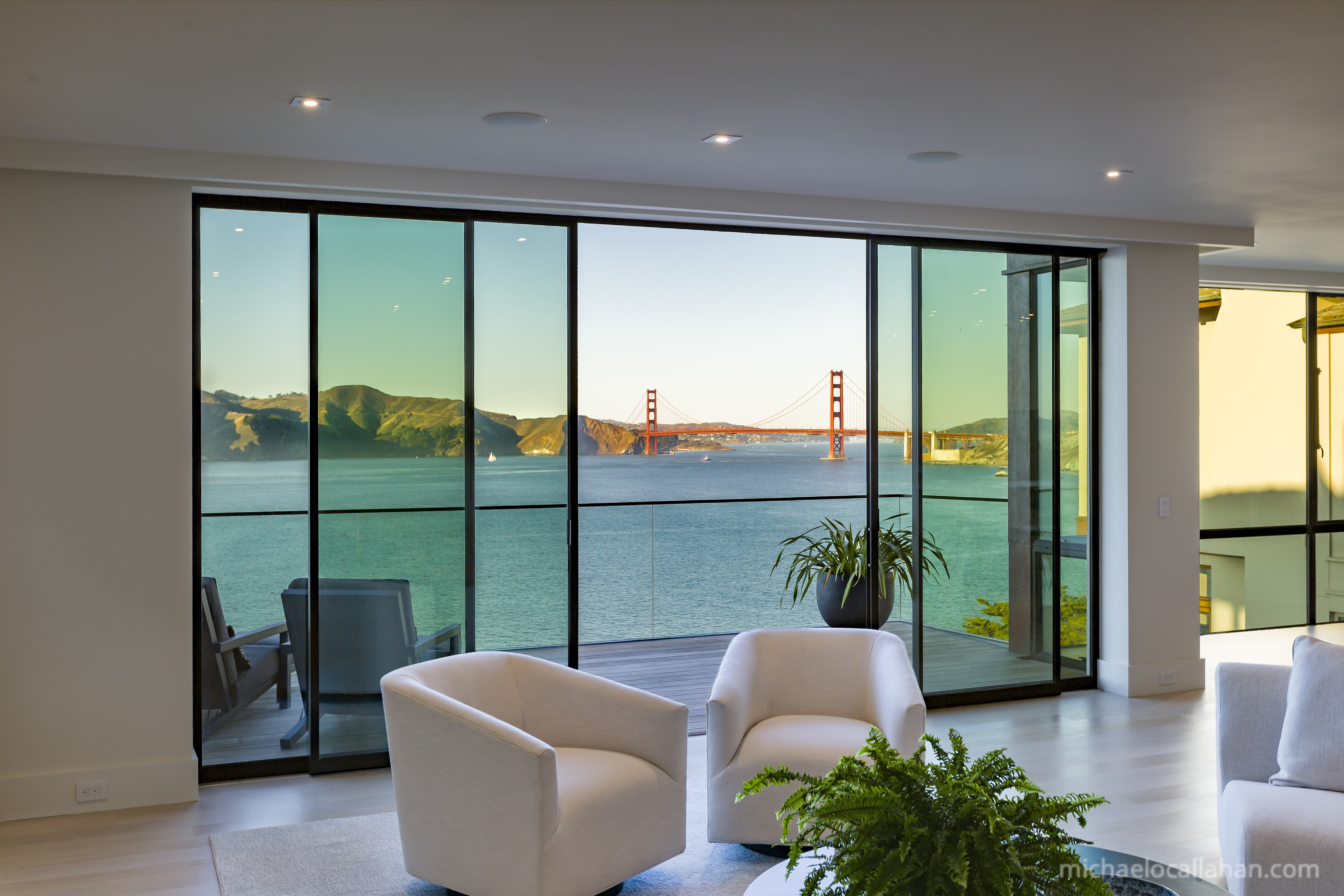
Buyers
We will help you make the right move in San Francisco. Expert guidance through every step of the buying process.
Learn More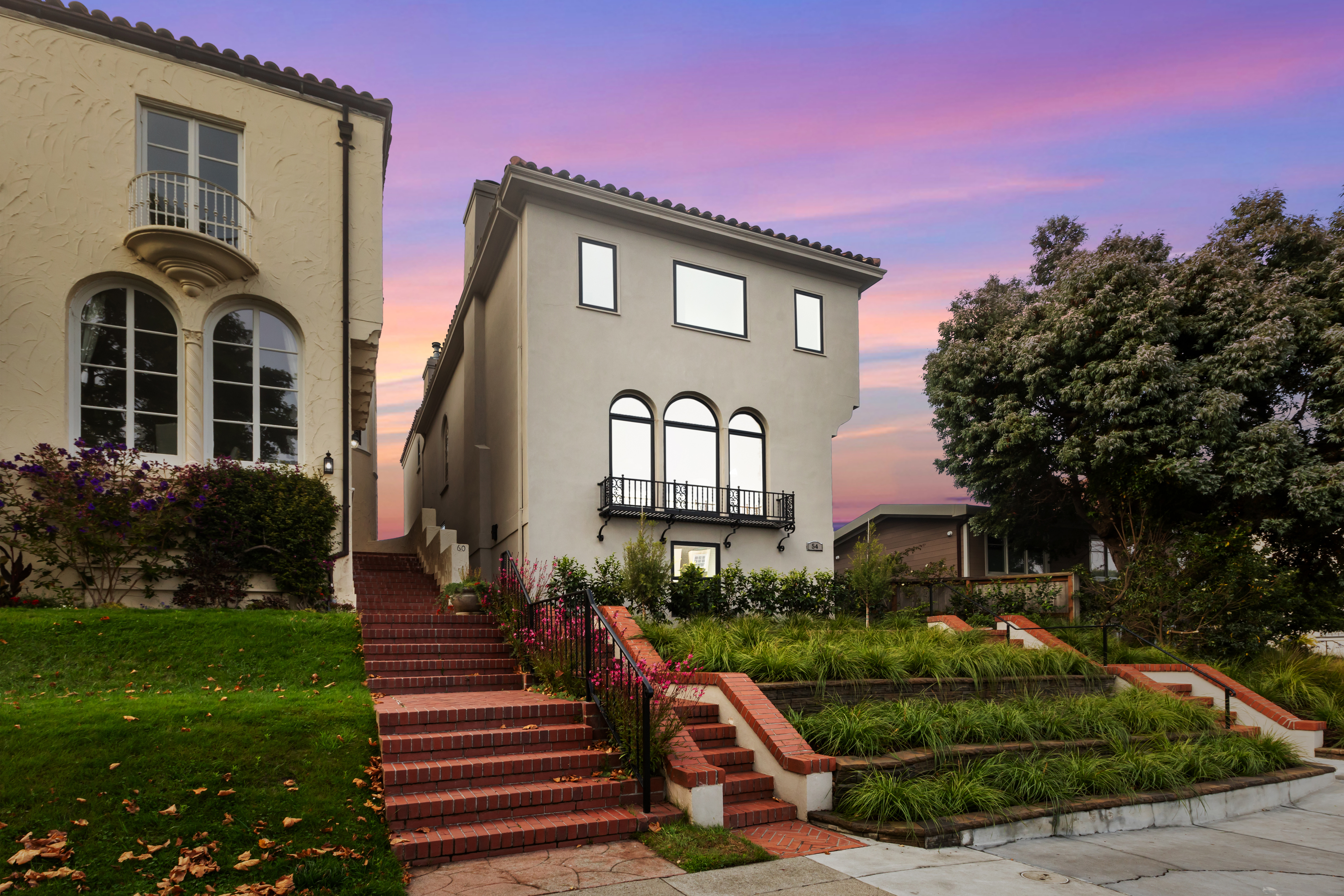
Sellers
Maximize the value of your San Francisco property. Proven strategies for a successful sale.
Learn More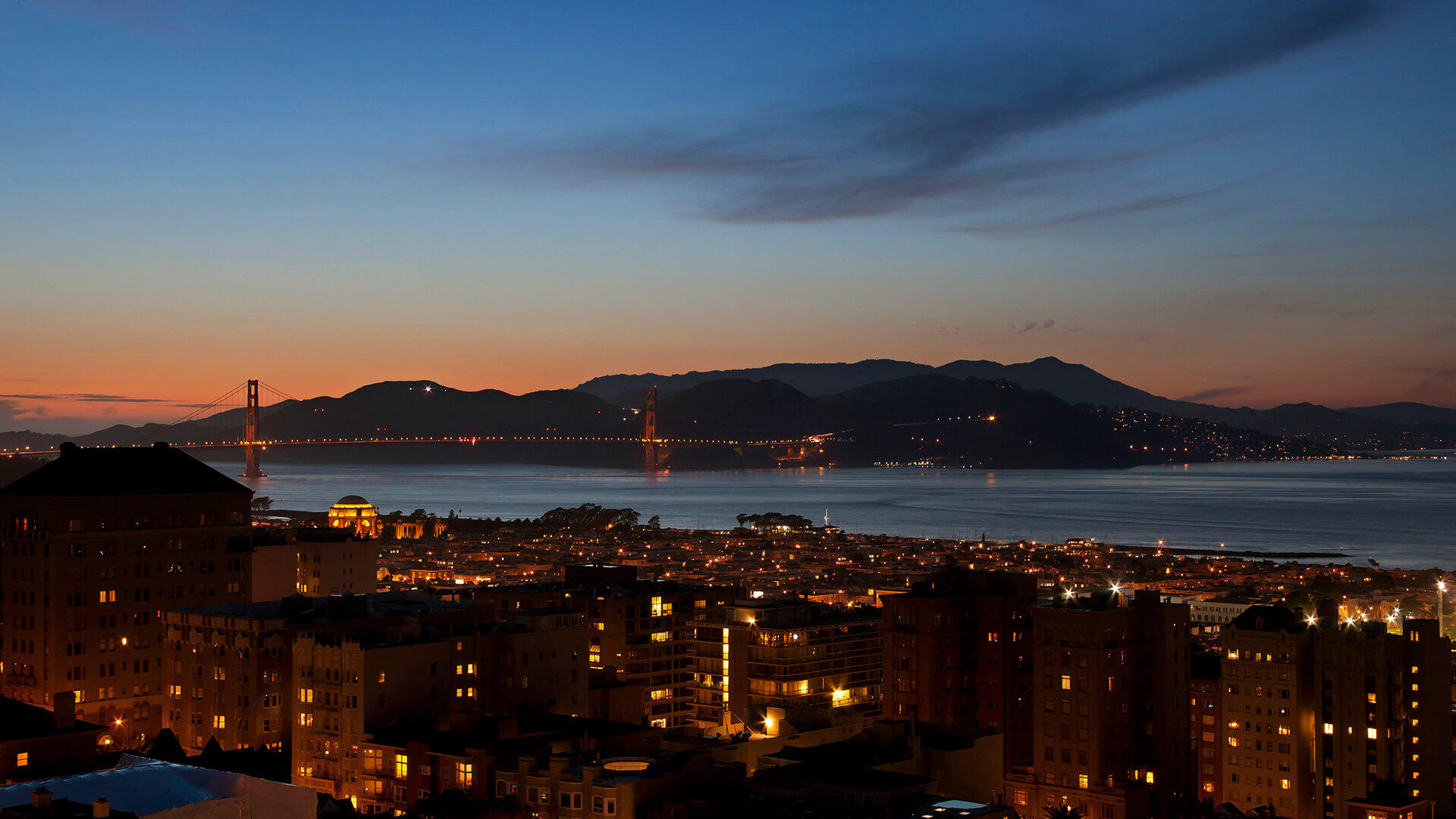
Contact
ted@bartlettre.comtina@bartlettre.comelizabeth@bartlettre.com
Compass is a real estate broker licensed by the State of California and abides by Equal Housing Opportunity laws. License Number 01527235. All material presented herein is intended for informational purposes only and is compiled from sources deemed reliable but has not been verified. Changes in price, condition, sale or withdrawal may be made without notice. No statement is made as to accuracy of any description. All measurements and square footage are approximate. If your property is currently listed for sale this is not a solicitation.